Online Acting Workshop
/ / / / / / / / / / /
Home > Online Acting Workshop
Art of Acting
Just as going to the Gym builds muscles, in the same way there are many important aspects to sharpen this skill of acting. Usually people get amazed by some performances, they assume it to be Magic but the truth is, there goes a lot of practice, training, preparations, process to get that one act right. The best part of acting is the process & your passion to act.
Practical Workshops with Industry Professionals
So we will be helping the aspirant actors to learn the magic of Acting.Sessions will be conducted by actors from TV/Film Industry. The sessions will be focused on practical training as an actor with latest acting techniques.
WHAT YOU GET?
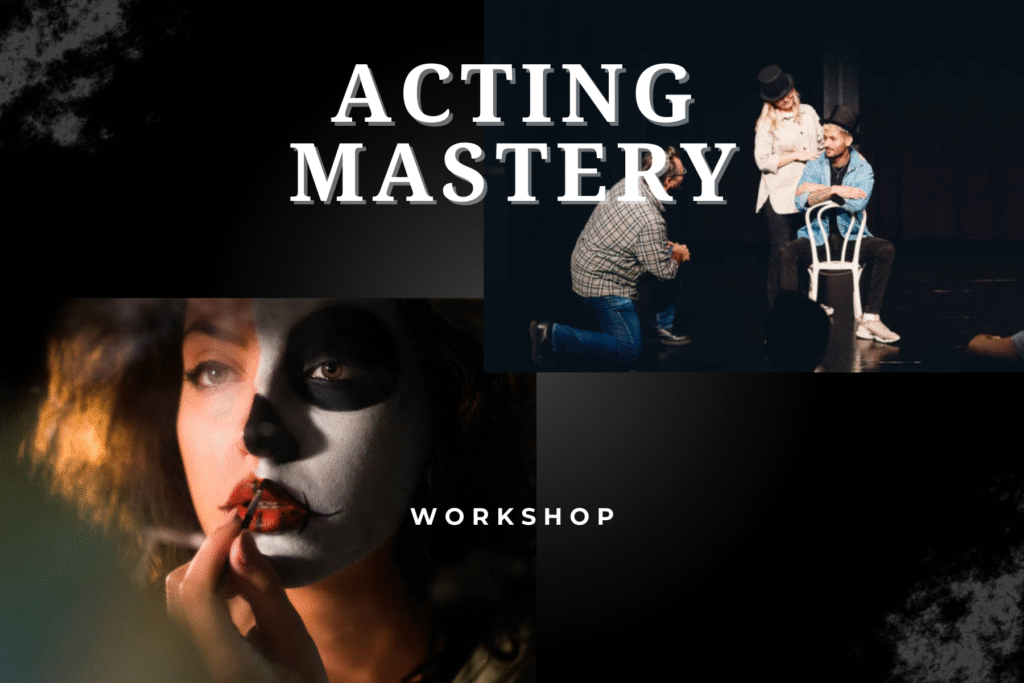
Acting Mastery
Basic of Camera Acting
Showcase your talent / Explore the actor in you
Observation: Saving’s Tough Challenge
Lighting and Framing
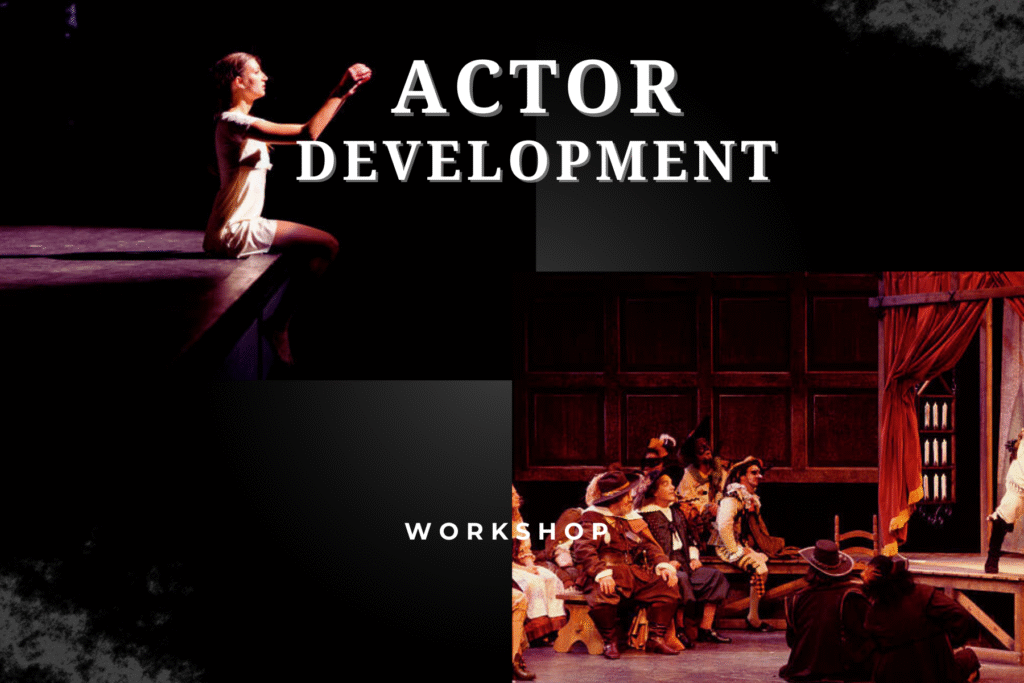
Actor’s Craft
Emotions of an Actor (Practice Navarasa)
Relaxation & concentration
Speech, Voice, Diction
Body Language to give life to a character
Acting Essentials
Script Analysis
Difference between monologues & dialogues
Practice session with monologues
Importance of Actor’s Imagination
Free audition updates for a month
Acting Insight
Awareness
Importance of Actor’s Imagination
Improvisation
Character analysis
Character development
Emotional Range / Vocal Technique
Join our 5-Day Online Introduction to Acting Techniques
Workshop with Harshal Pawar!
Day 1: Overview
Dive into techniques by Larry Moss, Uta Hagen, Sanford Meisner, Stanislavski, and Michael Chekhov. Learn the importance of technique in acting.
Day 1: Overview
Explore emotional connection and vulnerability through practical exercises and scene analysis.
Day 1: Overview
Discover character development using “Substitution” and “Private Moment” techniques, with a focus on virtual scene work.
Day 4: Sanford Meisner
Engage in emotional truth and reactivity through repetition exercises and improvisation, perfect for online settings.
Day 5: Stanislavski & Chekhov
Learn sense memory, “Magic If,” psychological gesture, and more, integrating these techniques into scene rehearsals.
Join our 5-Day Online Introduction to Acting Techniques
Workshop with Harshal Pawar!
Day 1: Introduction to Acting Techniques
Participants will be introduced to various acting techniques such as those by Moss, Hagen, Meisner, Stanislavski, and Chekhov, alongside engaging icebreaker activities and group dynamics.
Days 2-3: Larry Moss Technique
The focus shifts to the principles and methodologies of Larry Moss’s technique, with practical exercises emphasizing emotionally connected scene work. Participants will engage in scene analysis and receive group feedback for improvement.
Days 4-5: Uta Hagen Technique
Participants delve into Uta Hagen’s approach to character development, exploring techniques like “Substitution” and “Private Moment.” They will apply these methods in scene studies, receiving peer feedback and making necessary revisions.
Days 6-7: Sanford Meisner Technique
The workshop explores Sanford Meisner’s emphasis on emotional truth and reactivity, engaging participants in exercises like repetition and improvisation. Scene work sessions focus on incorporating Meisner techniques with discussions on emotional authenticity.
Days 8-9: Stanislavski Method
The Stanislavski Method is studied in detail, focusing on physical actions and sense memory. Participants analyze scenes using Stanislavski’s techniques and engage in group discussions on achieving realism in performance.
Days 10-11: Michael Chekhov’s Technique
Participants learn about Michael Chekhov’s techniques, including psychological gesture and imaginary centers, with practical exercises aimed at expanding physicality and expressiveness in scenes.
Days 12-13: Integration and Synthesis
The workshop reviews all techniques covered thus far, integrating them into scene rehearsals from various plays. Participants receive peer critiques and directorial guidance to prepare for the final showcase.
Day 14: Final Preparations and Dress Rehearsal
Participants focus on fine-tuning their performances and undergo a dress rehearsal, incorporating props and costumes. They receive feedback from instructors and peers to polish their presentations.
Day 15: Showcase and Conclusion
The workshop concludes with a final performance showcase where participants present their scenes. This is followed by a Q&A session, certificate distribution, and networking opportunities as participants reflect on their journey and future growth.